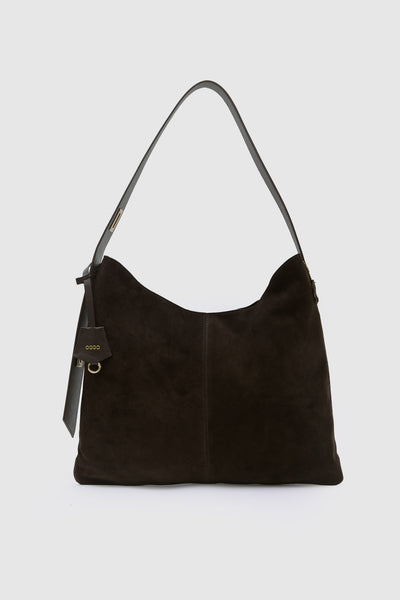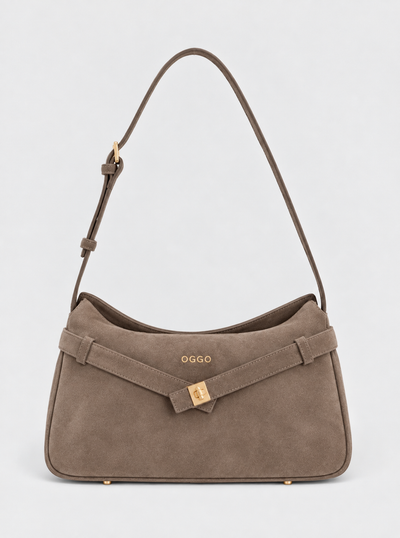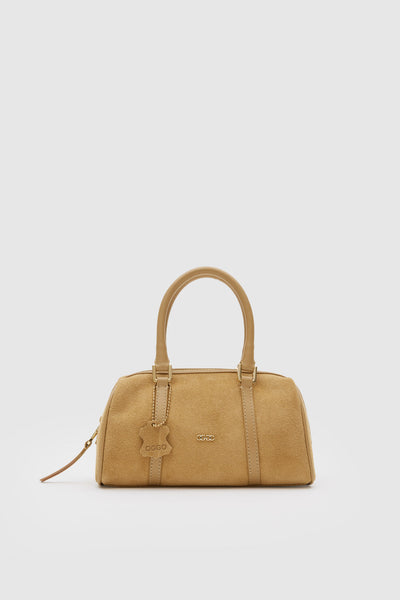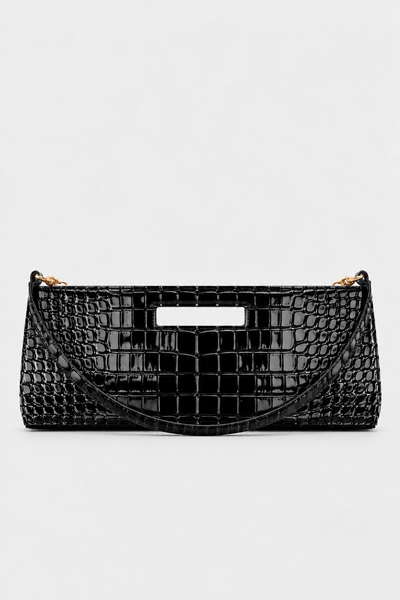

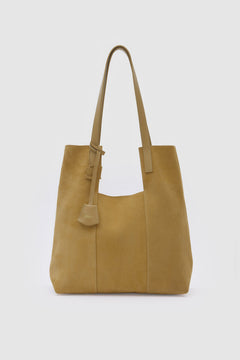
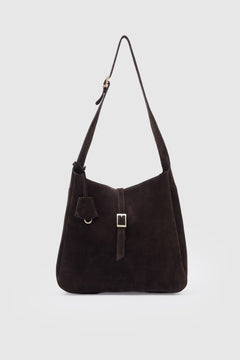
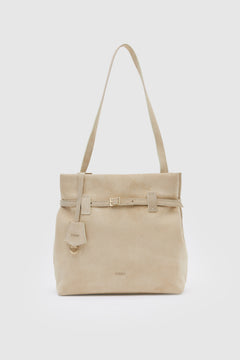
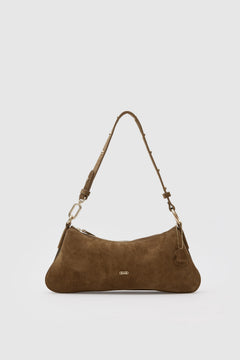
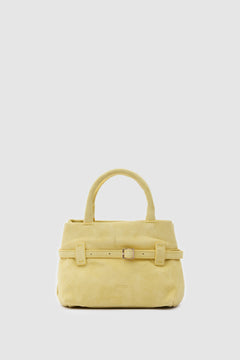
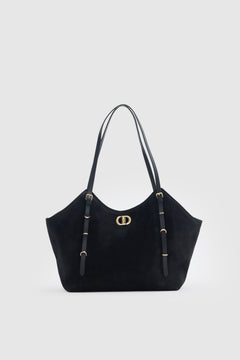
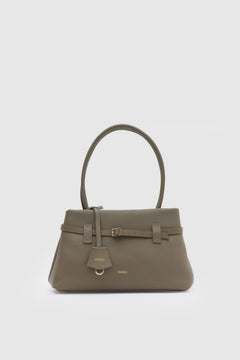
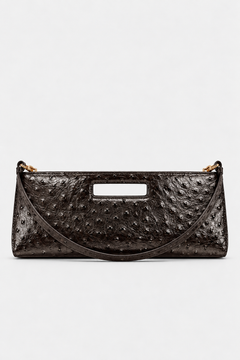


7 Things to Know When Buying Your First Quality Bag
Buying your first quality bag is one of the most strategic investments you can make in your wardrobe. The right choice offers both functional and aesthetic value for decades; the wrong choice turns into disappointment within a few months. The problem is a lack of information: most people assess a quality bag solely by its price tag, yet price alone is not a reliable indicator.
In this guide, we cover 7 concrete criteria to consider when buying a quality bag, practical tests you can apply in stores, and the right color strategy for your first bag.
7 Critical Information Points
1 — Understand Leather Types
The most defining factor in a quality bag investment is the material. There are four basic layers in the leather market, and the difference between them is significant.
| Leather Type | Definition | Durability | Patina |
|---|---|---|---|
| Full-Grain | The top layer of the hide; natural texture and pores are preserved | 10-50 years | Becomes more beautiful with time |
| Top-Grain | The top layer is sanded to smooth it; a more refined appearance | 5-15 years | Limited |
| Split Leather | Obtained from the lower layer; coated with PU | 2-5 years | None |
| Bonded Leather | Made by gluing together leather scraps | 6 months-2 years | None, high risk of peeling |
For your first quality bag, look for full-grain or at least top-grain leather. Split and bonded leather may be sold with a "genuine leather" label, but they are in an entirely different category in terms of durability and aesthetics.
If you want a more detailed comparison of the differences between vegan leather alternatives and real leather, you can check out our vegan leather bag guide.
2 — Check the Stitching
The quality of stitching directly determines the structural durability of the bag. In a quality bag, stitches follow a straight line, are evenly spaced and tight, and there are no loose thread ends. Regularity in edge stitching is particularly important; irregularities here are a clear indicator of low production quality.
Hand stitching (saddle stitch), unlike machine stitching, is done with two needles, so even if one thread breaks, the stitch won't unravel. In machine stitching, if a single thread breaks, it loosens the entire line. In handmade bags, this detail is the strongest guarantee of long-term durability.
3 — Test the Metal Hardware
Metal parts such as zippers, buckles, rings, and magnets determine the bag's performance in daily use. Quality metal hardware is heavy; it doesn't feel "cheap" when you hold it. The zipper should open and close smoothly; if there's any snagging or resistance, the quality is low.
Brands like YKK or Riri are reliable indicators of zipper quality. For buckles and rings, prefer brass or stainless steel; these metals are resistant to oxidation and retain their color even after years.
4 — Don't Neglect the Inner Lining
Most people only look at the exterior of the bag, yet the inner lining directly affects the quality of daily use. A cotton or satin lining is durable, easy to clean, and gentle on your belongings. A thin polyester lining with a sticky feel will tear quickly and ruin the bag's internal appearance.
Also check the stitching quality at the lining-leather connection points. This area is subjected to the most stress; weak stitching will show itself here first.
5 — Clarify Your Purpose of Use
Buying a quality bag doesn't mean "choosing the most expensive model." A good investment means choosing a model that suits your lifestyle. A medium-sized tote or crossbody for daily use, a structured satchel for work, or a compact clutch for special occasions will meet your needs.
For your first quality bag, choose the scenario where you will use it most frequently in daily life. This way, the bag won't sit in the corner of your closet but will provide value every day. We've covered which bag models are suitable for which usage scenarios in detail in our bag models and names guide.
6 — Prefer Timeless Design Over Trends
Choosing a timeless design over a trend for your first investment eliminates the risk of it going out of style for decades. A simple silhouette, minimal metal details, and clean lines are the three basic indicators of timelessness.
Trendy models can be appealing, but after the season passes, the bag can feel "dated." A timeless bag, on the other hand, will harmonize with your wardrobe every year. Leave experimenting with trends to your second or third bag; minimize risk with your first investment.
7 — Calculate Cost-Per-Wear
A quality bag might seem expensive at first glance. However, when you divide it by its annual cost, the picture changes.
If a full-grain leather bag you bought for 1,500 TL lasts 15 years, the annual cost is 100 TL. If a low-quality bag you bought for 300 TL wears out in 1.5 years, the annual cost is 200 TL. Over fifteen years, the low-quality choice costs a total of 3,000 TL, while the quality choice costs 1,500 TL. A quality bag not only offers a better experience but is also more economical in the long run.
5 Practical Quality Tests for In-Store or Online Shopping
Apply these five tests when you hold the bag in your hand or examine online images.
Smell test. Real leather has a distinctive, natural, slightly earthy smell. A chemical or plastic smell is a sign of synthetic material or excessive chemical processing.
Touch test. Press the leather surface with your finger. Quality leather will slightly change color when pressed and return to its original form when released. A stiff, plastic-like surface indicates low quality.
Bend test. Gently bend one edge of the bag. Quality leather will flex smoothly and leave no mark. A sharp cracking sound or white crease marks indicate a coating or bonded leather.
Zipper test. Open and close the zipper a few times. Smooth movement, a quiet mechanism, and even teeth indicate quality. A zipper that snags, squeaks, or closes unevenly will cause problems in the long run.
Stitch count test. Count the stitches in a 5 cm area on any edge of the bag. 5-7 stitches per centimeter is the standard range for quality craftsmanship. Sparser stitches indicate structural weakness.
In online shopping, smell and touch tests cannot be performed until the product arrives. Therefore, the return policy is critical; quality brands offer unconditional return rights because they trust their products to pass the test. Furthermore, brands that openly share details such as leather type, stitching technique, and metal hardware brand on their product pages are generally manufacturers confident in their quality; this transparency alone is an important quality indicator.
Which Color Should You Choose for Your First Quality Bag?
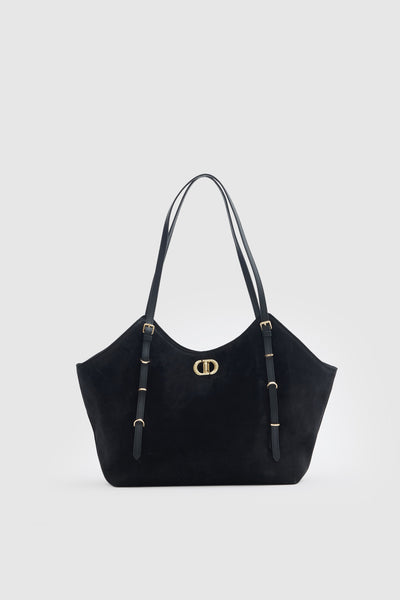
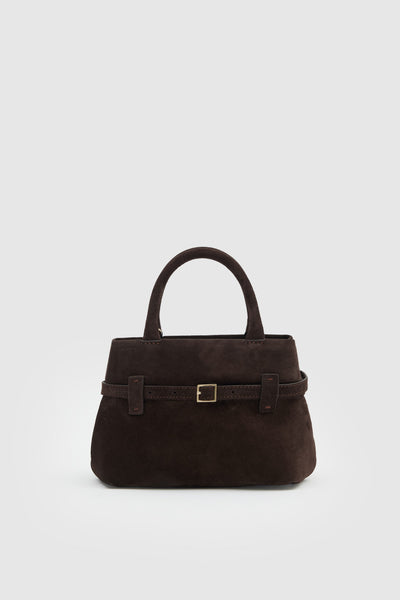
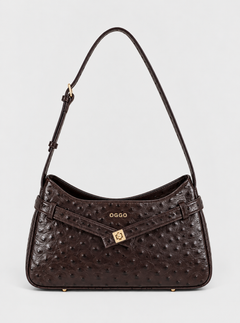
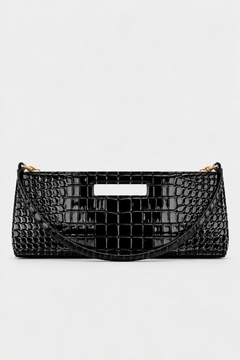
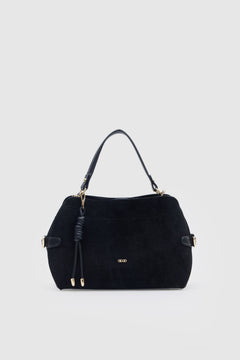
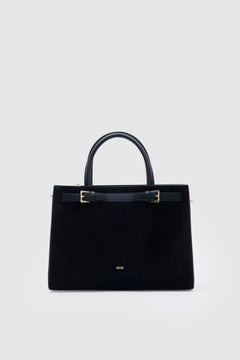
Choosing a neutral color for your first investment minimizes risk. Black, dark brown, dark tan (cognac), and navy blue are the safest options. These colors match almost any outfit, are seasonless, and the patina that develops over time looks best in these tones.
You can experiment with a bold color for your second bag; but for your first investment, a neutral color guarantees "it goes with everything" and directly increases your frequency of use. For more detailed information on color selection and clothing harmony rules, you can check out our how to choose bag color guide.
What Should You Do After Buying Your Quality Bag?
Once you've found the right bag, keeping it in shape for years is up to you. In the first week, apply a leather protector spray or cream; this layer protects the surface from stains and moisture. On days you don't use it, fill the bag with stuffing to support its shape and store it upright in a dust bag. Direct sunlight and excessive moisture are the two biggest enemies of leather; keep it away from both.
For more information on quality bag care and proper storage techniques, you can check out our how to store a bag guide.
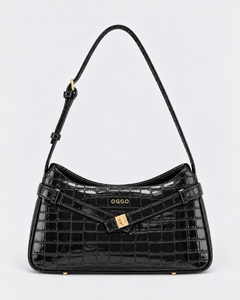
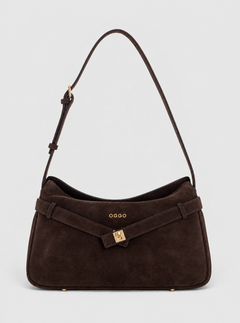
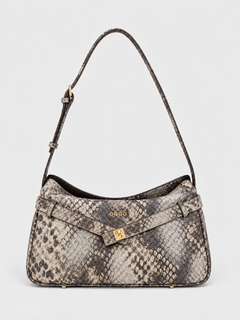
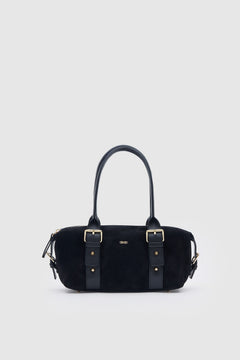
OGGO's handmade leather bags are produced to meet exactly these 7 criteria in this guide: vegetable-tanned full-grain leather, hand-stitching, brass hardware, and timeless design. Each bag promises decades of use and a personalized patina. Discover the OGGO leather bag collection →
Frequently Asked Questions
How can you tell if a bag is good quality?
Look for five basic tests: the natural smell of leather, texture that returns when pressed with a finger, neat and tight stitching, weighted and smooth zipper mechanism, and clean edge finishing. These five criteria allow you to quickly distinguish quality in-store or when shopping online.
How much should I budget for my first quality bag?
A realistic starting budget for quality handmade leather bags is in the range of 1,500-5,000 TL. In this range, you can find local artisan brands offering full-grain leather, sturdy stitching, and durable metal hardware.
What is full-grain leather and why is it important?
Full-grain leather is the top and strongest layer of animal hide. Its natural texture and pores are preserved, and it develops a patina over time, becoming more beautiful. It offers a lifespan of 10-50 years, and scratches can naturally fade over time.
How can I assess bag quality when shopping online?
Look at the material information (full-grain, top-grain, etc.), detailed stitching photos, inner lining images, and return policy on the product page. Reputable brands openly share this information. Once the product arrives, be sure to perform the smell and touch tests.
Should I choose a trendy model or a timeless model?
For your first quality bag, opt for a timeless design. A simple silhouette, neutral color, and minimal details will not go out of style for 10-15 years. Trendy models may lose their appeal after the season passes; leave this risk for your second or third bag.