
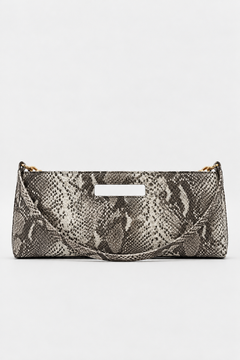
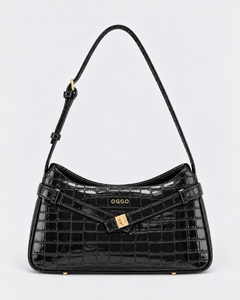
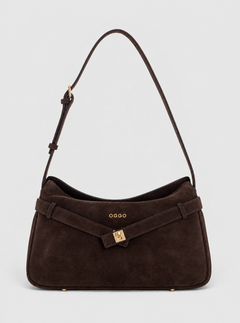
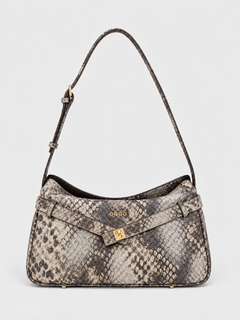



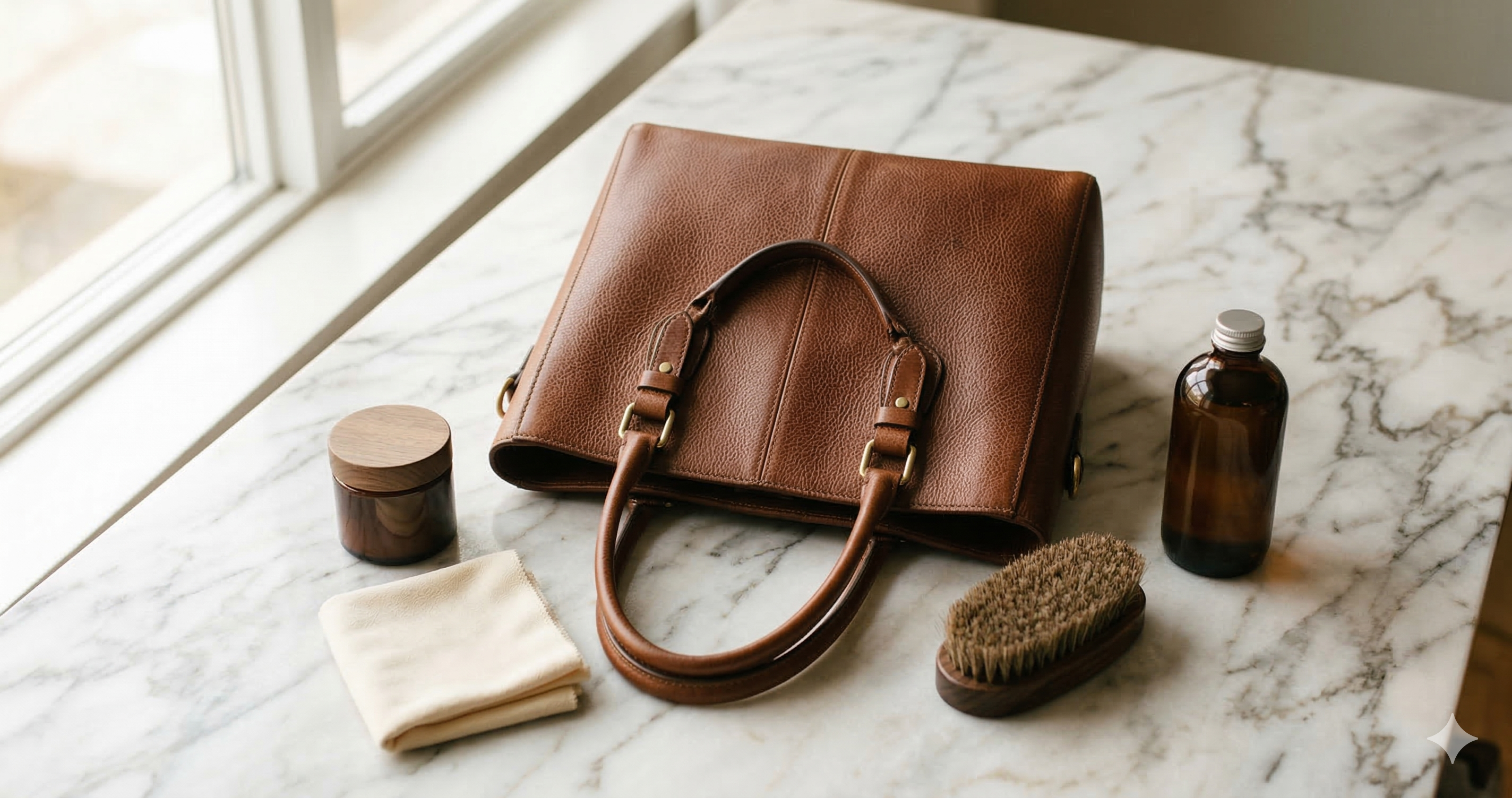
Leather Bag Care: 7 Ways to Keep Your Bag Looking New for Years
Leather Bag Care: 7 Ways to Keep Your Bag Looking New for Years
With proper care, a high-quality leather bag can accompany you for 10 to 30 years. However, neglecting its care can reduce this lifespan to 2-3 years. The global leather goods market surpassed $448 billion by 2025, a figure that clearly demonstrates consumer confidence in leather.
The problem is that most people interpret leather bag care as simply "wiping it occasionally." However, true care means understanding the type of leather, choosing the right product, strategizing according to the season, and establishing a regular routine.
In this guide, we will explain 7 proven methods step-by-step to keep your bag looking new for years. Each method offers differentiated suggestions and practical tips based on the type of leather.
Table of Contents
- 1. Know Your Leather Type
- 2. Establish a Weekly Cleaning Routine
- 3. Prevent Cracking with Moisturizing
- 4. Prevent Deformity with Proper Storage
- 5. Address Stains According to Their Type
- 6. Don't Neglect Accessory and Hardware Care
- 7. Implement a Seasonal Care Schedule
- When is Professional Care Needed?
- FAQ
1. Know Your Leather Type
The most critical first step in leather bag care is knowing what type of leather your bag is made from. Choosing the wrong product can cause more harm than good.
Full Grain Leather
Full grain leather is the highest quality leather type on the market. Manufacturers do not sand or buff the top layer of the leather in any way, preserving its natural pores and allowing a beautiful patina to develop over time.
Care tips:
- Wipe once a week with a slightly damp microfiber cloth.
- For moisturizing, choose natural wax-based creams.
- Avoid chemical-based products; they disrupt the natural oil balance.
- Avoid abrasive cleaners to protect the patina.
Top Grain Leather
Top grain leather is leather whose surface has been lightly sanded to achieve a more uniform appearance. While not as durable as full grain, it offers an excellent price-performance balance for daily use.
Care tips:
- The finish layer reduces the risk of staining.
- You can safely use standard leather care creams.
- The sanded surface does not respond well to excessive moisturizing; use sparingly.
Bonded and Faux Leather
Manufacturers produce these types by pressing together genuine leather scraps or using entirely synthetic methods. Their lifespan is shorter compared to natural leather.
Care tips:
- Heavy oil-based creams damage the structure; light soapy water is sufficient.
- Focus on cleaning rather than moisturizing.
- Once cracking begins, professional intervention is usually not cost-effective.
For more information on leather types, you can check out our genuine leather types guide.
2. Establish a Weekly Cleaning Routine
Regular cleaning is the foundation of the leather bag cleaning process. The problem is often not the product you use, but the consistency of care. Simple, regular cleaning is much more effective than expensive, irregularly applied products.
Step-by-Step Weekly Cleaning
- Step: Completely empty the inside of the bag. Turn pockets inside out to remove dust and crumbs.
- Step: Wipe the exterior surface with a dry microfiber cloth to remove dust. Move in circular motions.
- Step: Prepare a mixture of lukewarm water and pH-neutral soap. Lightly dampen the cloth; never soak it.
- Step: Gently wipe the surface with the damp cloth. Follow the direction of the leather grains.
- Step: Remove excess moisture with a clean, dry cloth, then let the bag air dry at room temperature.
What You Should Absolutely Avoid
- Machine washing: Leather fibers suffer irreversible damage.
- Alcohol-based cleaners: They strip the natural oils from the leather and dry it out.
- Bleach or ammonia: Leads to color loss and cracking.
- Hard brushes: Leaves permanent scratches on the surface.
- Drying with a hairdryer: Intense heat causes permanent damage to the leather.
3. Prevent Cracking with Moisturizing
Leather behaves like a living material: when it loses moisture, it dries, hardens, and cracks. Regular leather bag moisturizing is the most effective way to maintain your bag's flexibility and luster.
Moisturizing Product Comparison
| Product | Advantage | Disadvantage | Suitable Leather Type |
|---|---|---|---|
| Beeswax-based wax | Forms a protective barrier | May alter patina | Full grain |
| Professional leather cream | Deeply nourishes, provides long-lasting effect | Higher cost | All genuine leathers |
| Vaseline | Inexpensive and readily available | May clog pores | Short-term emergency solution |
| Sweet almond oil | Natural and nourishing | Slow absorption, risk of staining | Top grain |
Correct Moisturizing Steps
- Step: First, clean the bag. Applying moisturizer to a dirty surface traps dirt inside.
- Step: Take a small amount of product onto a clean, soft cloth.
- Step: Spread it in a thin layer over the surface with circular motions.
- Step: Allow it to absorb for 15-20 minutes.
- Step: Gently wipe off any excess product with a clean cloth.
Frequency recommendation: Moisturize once a month for normal use, and every 2-3 weeks for heavy use. Increase this frequency in dry climates and during winter.
4. Prevent Deformity with Proper Storage
Your leather bag storage method directly affects its shape and texture. A bag stored improperly can deform even if never used.
Storage Rules
- Use a dust bag. Cotton bags that allow air circulation are the best option. Do not use plastic bags; moisture can get trapped and cause mold.
- Apply interior stuffing. Fill the inside of the bag with acid-free paper or cotton fabric. Newspaper can transfer ink; do not use it.
- Store upright. Laying bags flat or stacking them can leave permanent marks.
- Maintain humidity and temperature balance. The ideal storage environment is 40-60% humidity and 15-25°C. Basements and attics do not provide these conditions.
- Do not hang by straps. Handles and straps can stretch and deform over time.
Seasonal Storage Tips
During summer: Store dark-colored winter bags that you are not using in a cool, dark place. Always clean and moisturize them before putting them away.
During winter: Wrap light-colored summer bags with acid-free paper to prevent yellowing. Apply water repellent spray before use, not before storage.
5. Address Stains According to Their Type
Not all stains are the same, and treating every stain with the same method can damage your bag. Here are the most common types of stains and specific solutions:
Oil Stain
Sprinkle cornstarch or talcum powder on the stain and let it sit for 6-8 hours. The starch will absorb the oil. Then, gently brush it off with a soft brush. Repeat the process if necessary.
Water Stain
It may seem paradoxical, but the solution is water again. Lightly wipe the stain from the edges towards the center with a damp cloth. Moisten the entire surface evenly and let it air dry at room temperature. Once dry, nourish it with leather cream.
Ink Stain
Apply an alcohol-based cleaner to a cotton swab, not directly to the bag. Gently dab the stain from the outside in. Keep the working area small to prevent it from spreading over a wider area. If you can't get results, consult a professional.
Coffee and Wine Stain
Quick action is critical. Without rubbing, blot the stain with an absorbent cloth to remove excess liquid. Then, gently wipe with lukewarm soapy water. If the stain persists after drying, use a professional leather cleaner.
Mold Stain
Take the bag to a well-ventilated area. Brush off the mold with a soft brush. Wipe the surface with a mixture of 50% water and 50% white vinegar. After drying thoroughly, apply moisturizer.
General rule: The sooner you treat a stain, the higher your chances of success. Intervention within the first 30 minutes is the most effective way to prevent permanent stains.
6. Don't Neglect Accessory and Hardware Care
Leather bag care isn't just about the leather surface. Zippers, buckles, metal hardware, and stitching also require regular attention.
Metal Accessory Care
- Gold or silver plated hardware: Polish gently with a soft cloth. Chemical metal polish can damage the leather; do not use it.
- Brass and copper accessories: Oxidize over time. Clean gently with a mixture of lemon juice and baking soda. Prevent the mixture from coming into contact with the leather.
- Zipper care: Apply a waxy pencil or special zipper lubricant to both sides of the zipper. This application reduces friction, extending the life of both the zipper and the surrounding leather.
Stitching Control
Visually inspect the stitching every month. Early intervention for loose or broken stitches will save you from a larger repair. If you notice a stitching issue, do not continue using the bag; the damage will worsen.
Lining Cleaning
Turn the bag lining inside out as much as possible and clean with a lint roller. For lining stains, lukewarm soapy water and a soft cloth are sufficient. Avoid completely wetting the lining.
7. Implement a Seasonal Care Schedule
Leather is directly affected by environmental conditions. Humidity, temperature, UV rays, and precipitation require different care strategies in different seasons.
Spring and Summer Care
- UV protection: Apply UV protective leather spray to light-colored bags. Do not leave them in direct sunlight for long periods.
- Moisture management: During summer, moisture from perspiration affects handles and the body of the bag. Develop a habit of wiping with a dry cloth after use.
- Light moisturizing: Hot weather accelerates leather drying. Apply light moisturizing every 2 weeks.
Autumn and Winter Care
- Water repellent spray: Apply water repellent spray before the rainy and snowy season. Spray evenly from a distance of 20-30 cm.
- Intensive moisturizing: Dry air indoors strips moisture from leather. Increase moisturizing frequency in winter.
- Post-wetting protocol: If the bag gets wet, blot excess water with an absorbent cloth, stuff the bag with paper, and let it air dry at room temperature. Never place it near a radiator or heater.
Annual Care Plan
| Period | Action | Frequency |
|---|---|---|
| Every week | Dusting with a dry cloth | Once a week |
| Every month | Moisturizing | Once a month |
| March-April | Comprehensive cleaning + moisturizing | Once a year |
| June | Apply UV protective spray | 1-2 times a year |
| October | Apply water repellent spray | 1-2 times a year |
| December | Winter care + storage check | Once a year |
When is Professional Care Needed?
Home care has its limits. Consult a professional leather care service in the following situations:
- Deep scratches and cuts: You cannot fix damage beyond the surface with home methods.
- Color fading or change: Requires professional dyeing and touch-up.
- Structural deformation: Only an expert can correct permanent shape distortion.
- Dried leather after long-term neglect: Requires intensive restoration.
- Valuable or vintage bags: Do not take risks with high-value items.
In Turkey, the price of professional leather care services varies between 300 TL and 2,000 TL, depending on the condition and brand of the bag. Professional care once a year is the most reliable way to preserve your bag's value.
Conclusion
Leather bag care is not a one-time process but an ongoing routine. By regularly applying the 7 methods in this guide, you will extend your bag's lifespan by 3-5 times.
Key takeaways are: Choose the right product by knowing your leather type. Maintain your weekly cleaning and monthly moisturizing routine. Pay attention to storage conditions and implement a seasonal care schedule. Speed is critical in stain intervention; knowing the correct method saves your bag.
When choosing your leather bag care products, opt for professional products suitable for your bag's leather type. For quality leather care kits, you can check the product range of international brands like Leather Honey.
FAQ
How often should leather bag care be done?
Weekly dusting with a dry cloth, monthly moisturizing, and comprehensive care during seasonal transitions is the best approach. Moisturize heavily used bags every 2-3 weeks.
How to remove water stains from a leather bag?
Gently wipe the stain from the edges towards the center with a damp cloth and let the bag air dry at room temperature. Once dry, nourish it with leather cream.
Is Vaseline suitable for leather bag care?
It provides shine in the short term but clogs pores in the long term. Professional leather care creams provide safer and more lasting results.
What happens if a leather bag is left in the sun?
Prolonged UV exposure dries out, cracks, and fades the color of the leather. Keep your bag away from direct sunlight.
Is the same care applied to faux leather bags?
No. Faux leather has a different chemical structure. Clean with light soapy water instead of moisturizing creams. Heavy oil-based products damage faux leather.