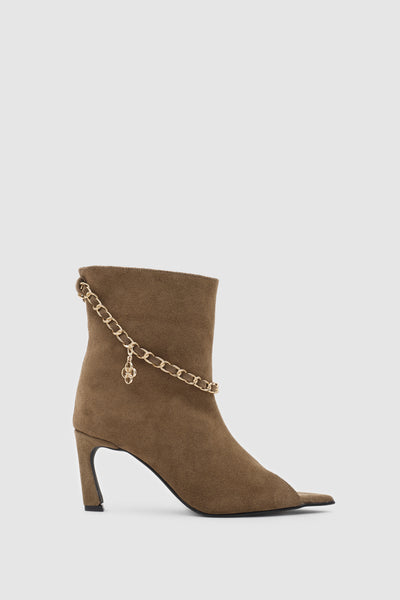


How to Choose Your Bag Color: 8 Outfit Matching Rules
Even with 5 different bags in their closet, most women face the same question every morning: what color bag goes with this outfit? The question of how to choose a bag color seems simple, but the right answer can radically change the overall perception of an outfit.
Color harmony is not a coincidence, but a system. When you apply the rules of the color wheel to the bag-outfit relationship, the selection process shrinks to 30 seconds. In this guide, you will find 5 bag colors that go with everything, 3 basic color harmony rules, a bag color chart based on outfit color, and the trending bag colors of 2026.
Contents
- 5 Bag Colors That Go With Everything
- 3 Basic Rules for Bag-Outfit Color Harmony
- Bag Color Chart by Outfit Color
- Choosing Bag Color by Season
- 5 Bag Color Trends Standing Out in 2026
- 3 Common Mistakes When Choosing Bag Color
- Conclusion
- Frequently Asked Questions
5 Bag Colors That Go With Everything
The first bag investment in a wardrobe should always start with a neutral color. These five colors seamlessly match the vast majority of outfits.
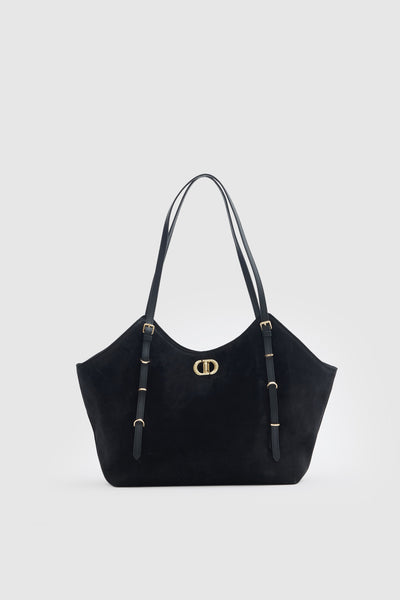
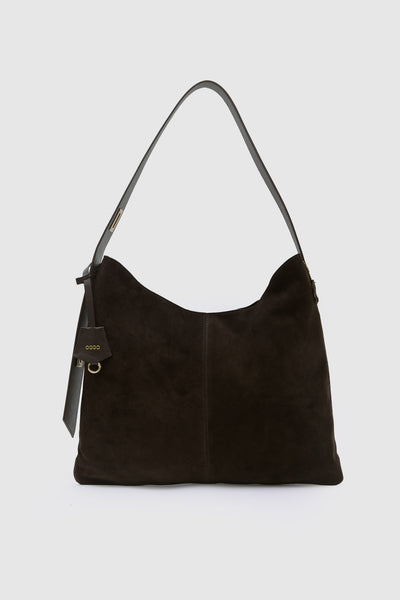
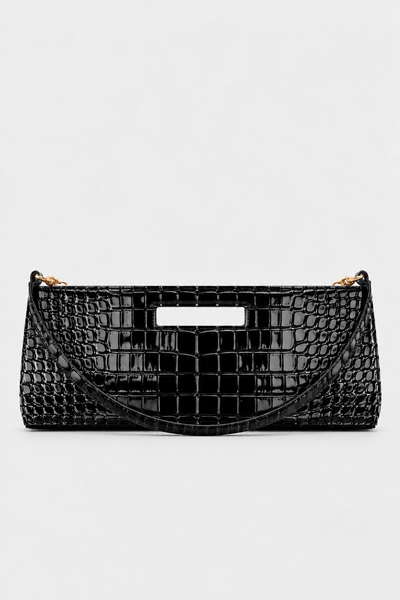
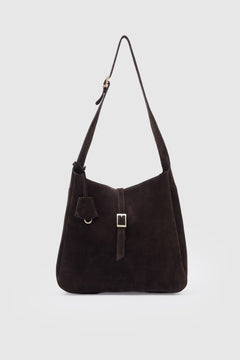
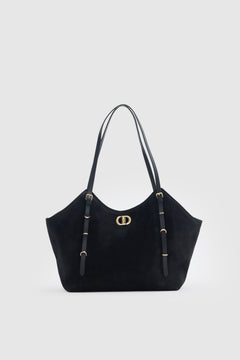
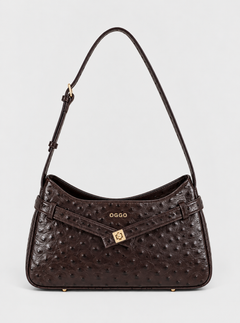
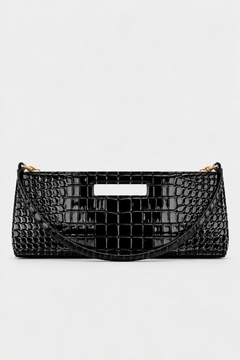
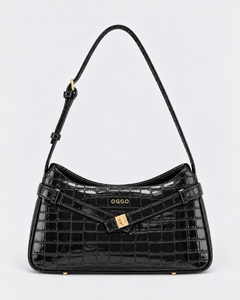
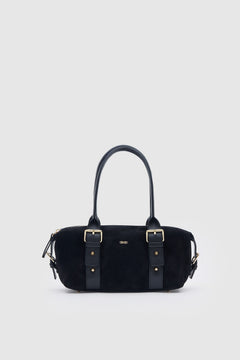
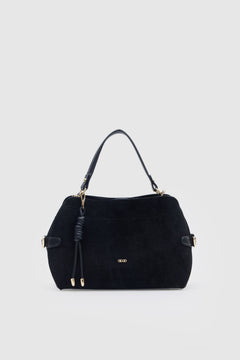
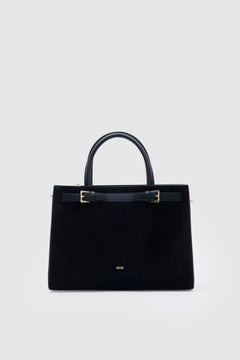
1. Black. The most universal bag color. A black bag works in every scenario, from casual jean outfits to business attire, evening dresses to weekend brunch styles. Its only drawback: it can look heavy over an entirely beige or cream outfit.
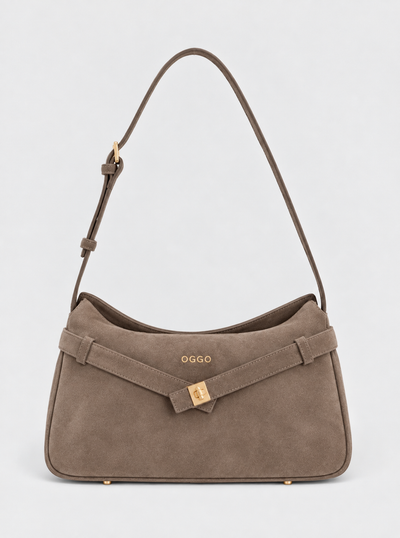
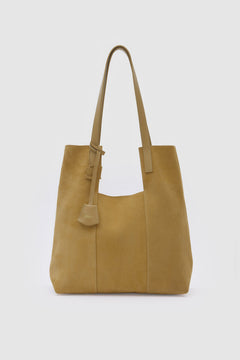
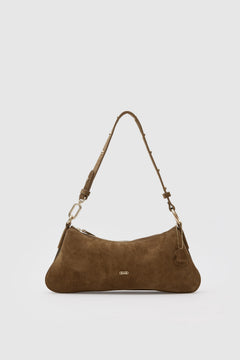
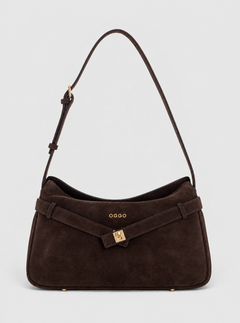
2. Dark tan (cognac). The strongest alternative to black. Thanks to its warm tone, it pairs perfectly with earthy colors, navy blue, white, and khaki. The deepening patina in genuine leather bags shows best in this color. It's an indispensable piece of the autumn-winter wardrobe.
3. Navy Blue. As versatile as black but a softer alternative. It creates a professional harmony, especially with business attire. A navy bag can be combined with a wide range of colors such as gray, white, beige, pink, and red. It's the ideal choice for those tired of black but wanting to remain neutral.
4. Gray (mid-tone). The best friend of cool-toned wardrobes. A gray bag harmonizes naturally with cool tones like black, white, navy, pink, and lavender. It plays a complementary role in both business and daily outfits, unnoticed yet effective.
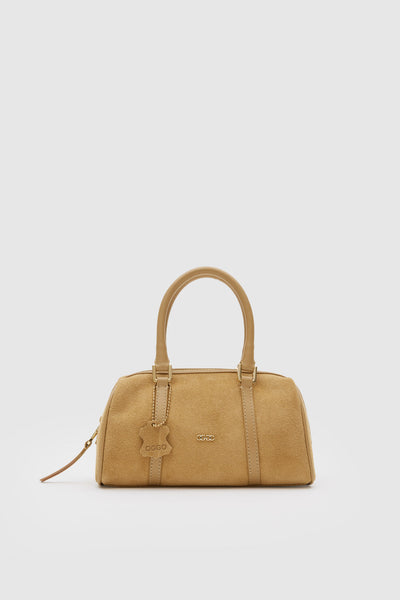
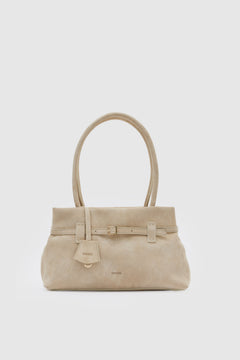
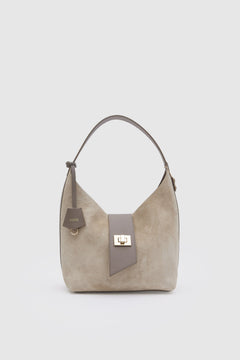
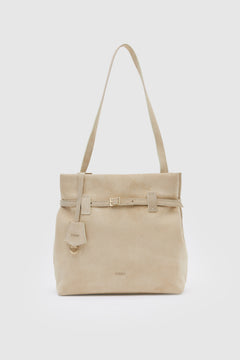
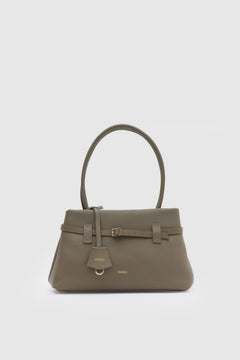
5. Beige / nude. The most versatile color for the spring-summer season. It creates tone-on-tone harmony with light-colored clothes and contrasts with dark clothes. Its disadvantage is the risk of stains — genuine leather beige bags can be kept clean with care, but stains on light-colored vegan leather models can be permanent.
Having any three of these five colors covers approximately 90% of a wardrobe's outfits.
3 Basic Rules for Bag-Outfit Color Harmony
The color wheel is a fundamental tool in the fashion world. The answer to how to choose a bag color is based on these three rules.
Monochromatic Harmony: Different Shades of the Same Color
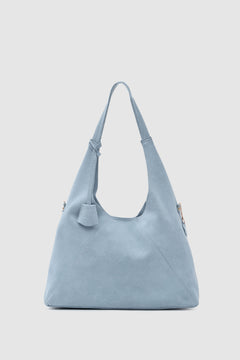
This technique involves using different lightness and darkness levels from the same color family together. A beige trench coat with a cream bag, a navy dress with a baby blue bag, or a burgundy coat with a pink bag are examples of this rule.
Monochromatic harmony creates a sophisticated and calm look. It is the safest starting point for those who don't know how to choose a bag color. The only thing to watch out for is having sufficient tonal difference between the bag and the outfit. An exact match of the same tone can look monotonous.
Complementary Harmony: Opposite Colors
Colors opposite each other on the color wheel create high contrast and energy. A navy outfit with an orange/tan bag, a green dress with a red/burgundy bag, or a purple blouse with a yellow/mustard bag are examples of this technique.
Complementary harmony produces bold and eye-catching outfits. The bag automatically becomes the focal point in this combination. When using this technique, allow the bag to be the statement piece and keep other accessories simple.
Analog Harmony: Adjacent Colors
Colors adjacent to each other on the color wheel create a harmonious and natural transition. A red dress with an orange bag, a blue shirt with a green bag, or a yellow skirt with a green bag exemplify this rule.
Analog harmony provides a smooth color transition that is easy on the eyes. It strikes a balance that is more dynamic than monochromatic and calmer than complementary. It resembles color transitions frequently seen in nature — which is why it looks natural and comfortable to the eye.
Bag Color Chart by Outfit Color
The table below shows bag colors compatible with 8 common outfit colors. You can use it as a practical reference for how to choose a bag color.
| Outfit Color | Most Compatible Bag Colors | Avoid |
|---|---|---|
| Black | Red, tan, burgundy, white, metallic | Dark gray (insufficient contrast) |
| White / Cream | Tan, navy, black, pastel tones | White (gets lost) |
| Navy Blue | Tan, red, white, yellow, nude | Black (can look heavy) |
| Beige / Camel | Burgundy, navy, white, brown, black | Yellow (looks dull) |
| Red | Black, nude, navy, metallic gold | Orange (clash) |
| Green | Tan, burgundy, brown, nude, black | Neon tones |
| Pink | Gray, navy, nude, black, white | Red (clash) |
| Brown | Tan, beige, navy, orange, burgundy | Black (cool-warm clash) |
Note: The "Avoid" column indicates combinations that require more careful consideration, rather than strict rules. With the right balance of tone and texture, these combinations can also work.
Choosing Bag Color by Season
Seasons directly influence bag color preference. The right seasonal color choice makes an outfit more cohesive.
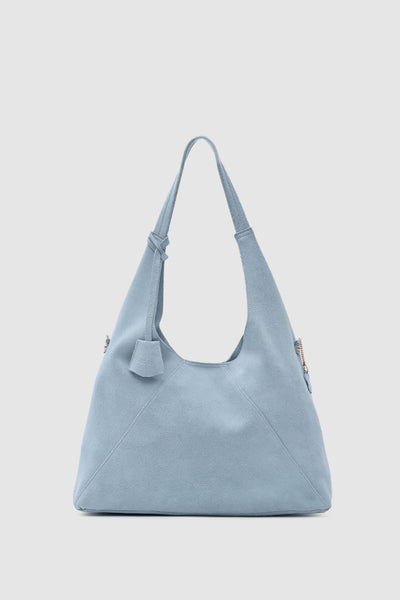
Spring-Summer: Light and vibrant tones characterize this season. Beige, cream, powder pink, pastel blue, mint green, and lemon yellow stand out among spring-summer bag colors. Straw and raffia bags with their natural tones complete the summer atmosphere. A white bag is the star of this season but requires high maintenance.
Autumn-Winter: Dark and warm tones dominate this season. Burgundy, olive green, dark tan, navy, and brick red are the most harmonious bag colors for the autumn-winter wardrobe. While black is valid in all seasons, it finds its most natural state in autumn-winter. Suede and velvet textures further enrich dark tones in this season.
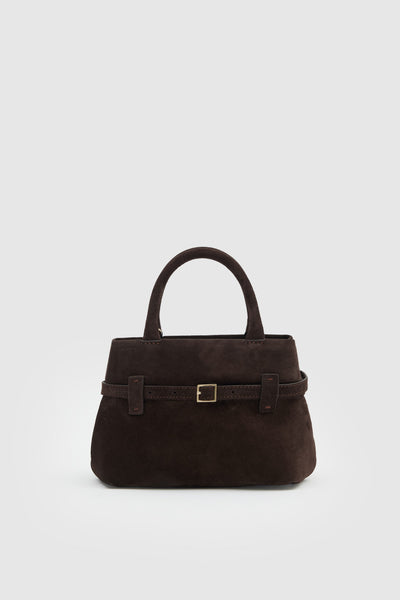
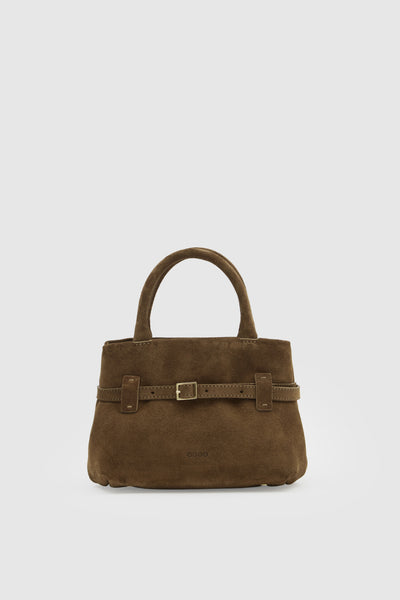
Transition season tip: During transition periods like September-October and March-April, tan, brown, and nude tones act as a bridge between the two seasons. These colors coordinate with both summer clothes and autumn layers.
For genuine leather bag care details and seasonal protection tips, you can refer to our article How to Clean Suede Bags? A Guide by Stain Type .
5 Bag Color Trends Standing Out in 2026
2026 bag color trends lean towards bold tones and retro palettes. According to runway analyses from publications like Who What Wear, Vogue, and Net-a-Porter, these five colors are prominent.
1. Cobalt blue. The most striking bag color of 2026. It creates strong contrast with neutral clothes (white, beige, gray) and also harmonizes with bold tones like orange or mustard yellow. Ideal for anyone looking for a statement piece.
2. Teal. WGSN has identified this color as the color of 2026. Combining the calmness of nature with the elegance of blue, this tone creates a sophisticated effect in both business and daily outfits.
3. Burnt sienna. This warm tone, lying between peach and terracotta, appeared in 2026 collections from many brands, from Ferragamo to Lacoste. It provides analog harmony with beige, cream, and brown clothes.
4. Lilac. A sophisticated version of the pastel purple tone. It adds unexpected elegance to gray, navy, and black outfits. Popular in mini bags and crossbody models, especially in the 2026 spring-summer season.
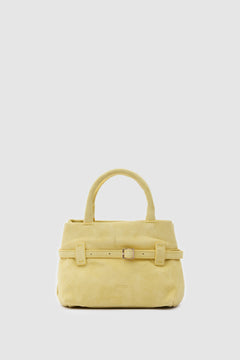
5. Butter yellow. Much more subtle than neon yellow, this soft tone adds warmth and energy to spring-summer outfits. It pairs perfectly with navy, white, and beige clothes.
Trend colors require courage but make a difference with the right combination. When investing in a trend color, choose a small-sized or affordable model; keep your main investment piece in a neutral color.
3 Common Mistakes When Choosing Bag Color
Knowing how to choose a bag color is as important as knowing which mistakes to avoid.
1. The myth of mandatory shoe-bag matching. The "shoes and bag must be the same color" rule was left in the 1990s. In 2026, intentional mismatch is considered more stylish. Using different shades from the same color family or opting for complementary colors is a more modern approach. Focus on balancing the overall palette rather than exact matching.
2. The trap of buying all black bags. While black is a safe choice, having every bag in your wardrobe be black limits your color potential. A tan bag with a beige outfit, or a burgundy bag with a navy combination, adds warmth and depth that black cannot provide. Let your first bag be black, but diversify your color choices for your second and third bags.
3. Over-investing in trendy colors. Cobalt blue or lilac may be very popular this year, but they might be pushed to the back of the wardrobe after 1-2 seasons. Buying an expensive, large-sized bag in a trendy color is a risky investment. Try trendy colors in small, affordable models; save your major investments for timeless neutral tones.
Conclusion
The answer to how to choose a bag color is summarized in three basic principles.
The three rules of the color wheel (monochromatic, complementary, analog) are the foundation of bag-outfit harmony. Consciously applying one of these rules always yields better results than random selection.
The first three bag colors in your wardrobe should be black, dark tan, and navy. This trio will match 90% of your outfits. For your fourth bag, you can experiment with a statement or trendy color.
In 2026, cobalt blue, teal, burnt sienna, lilac, and butter yellow are prominent. However, choosing colors that suit your wardrobe and lifestyle, rather than just following trends, is a more effective long-term strategy.
To explore different color options in OGGO's handmade genuine leather bag collection, please visit our collection page .
Frequently Asked Questions
Is there a single bag color that goes with every outfit?
Black almost matches every outfit and is the most universal bag color. However, there isn't truly one "goes with everything" color. The trio of black, dark tan, and navy covers 90% of outfits in a wardrobe.
Do shoes and bags have to be the same color?
No, this rule is no longer valid. In 2026, intentional mismatch is considered more stylish. Using different shades from the same color family or opting for complementary colors is a more modern approach.
Are light-colored bags practical?
Beige, cream, and white bags are visually very effective but have a high risk of staining. Genuine leather models can be cleaned with care; stains on vegan leather models can be permanent. Choose a light-colored bag as a second bag for the spring-summer season.
How many different bag colors are enough?
For a functional wardrobe, 3 colors are sufficient: one dark neutral (black or navy), one warm neutral (tan or brown), and one statement color (burgundy, green, or a trendy color). This trio covers four seasons and most scenarios.
Is it logical to buy a trendy colored bag?
Trendy colors add character to an outfit but can go out of style after 1-2 seasons. If you're buying a trendy colored bag, choose a small-sized or affordable model. Your investment piece should always be in a neutral color.