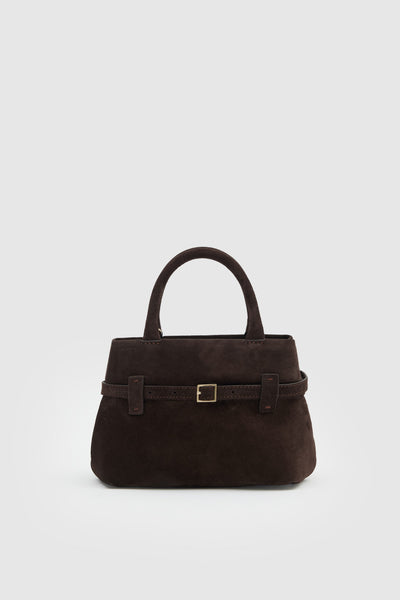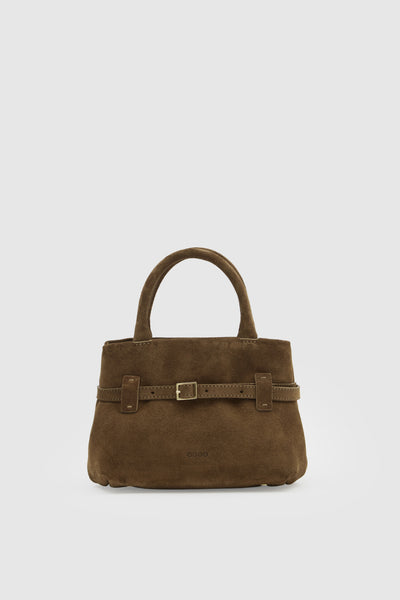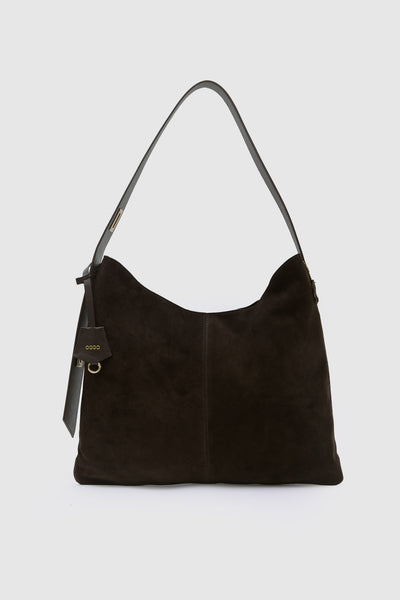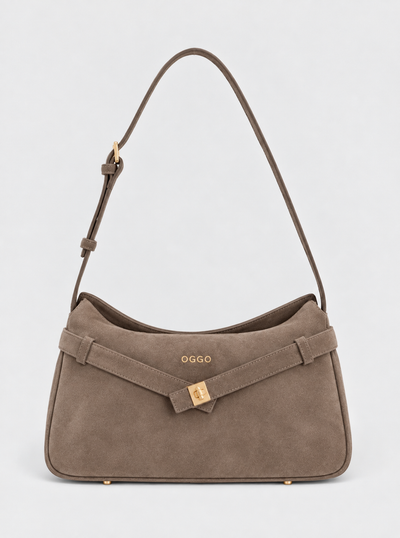

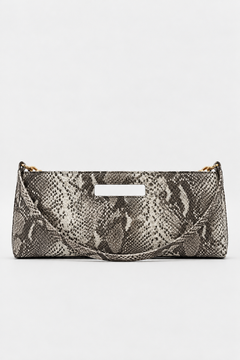
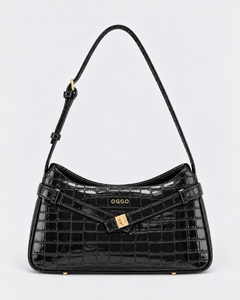
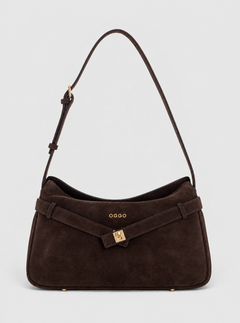
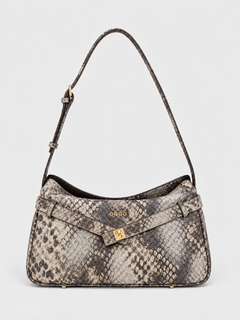

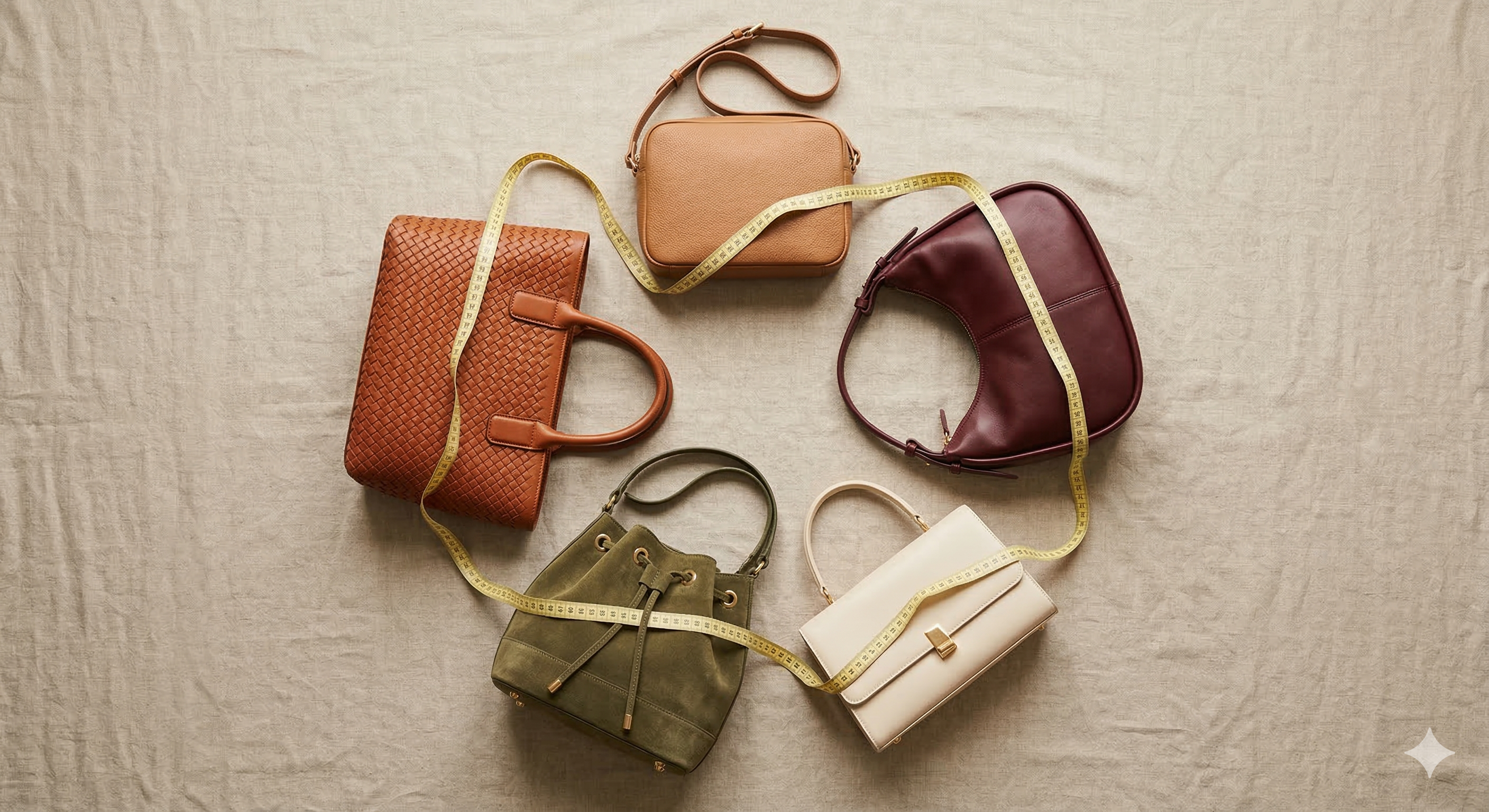
Choosing a Bag According to Body Type: 5 Golden Rules
Bag Selection According to Body Type: 5 Golden Rules
The global handbag market exceeded $74.6 billion by 2025, with female consumers accounting for 89% of this market. However, the vast majority of women only consider color and design when buying a bag; they do not choose a bag according to their body type.
The result: your closet fills up with bags you like but that "just don't sit right" on you. The problem isn't the bag, it's the incompatibility between your body and the bag.
In this guide, you will find 5 bag selection rules specific to body types, a cm-based measurement guide, and an ergonomic health perspective, step by step.
Table of Contents
- Recognize the 5 Body Types
- Rule 1: Bag Size Should Be Proportionate to Your Body
- Rule 2: Strap Length Balances Body Shape
- Rule 3: Bag Form Should Complement Body Lines
- Rule 4: Correct Carrying Position Protects Your Health
- Rule 5: Adapt According to Purpose of Use
- Bag Selection Chart by Body Type
- Top 5 Common Mistakes
- Frequently Asked Questions
Recognize the 5 Body Types
To choose a bag according to your body type, first correctly identify your body type. The fashion industry categorizes women's body types into 5 main categories.
Hourglass
Shoulder and hip measurements are similar, with a distinctly narrow waist. This type, with naturally balanced proportions, suits most bag styles.
Pear (Triangle)
Hips and thighs are wider than shoulders, with a medium waist. One of the most common body types among Turkish women. Goal: draw attention to the upper body.
Apple (Round)
Chest and abdominal area are wide, legs are relatively thin. Goal: distract attention from the midsection and emphasize vertical lines.
Rectangle (Straight)
Shoulder, waist, and hip measurements are very similar. There is no distinct waist indentation. Goal: create the illusion of curves and soften straight lines.
Inverted Triangle
Shoulders are significantly wider than hips. Common in athletic women. Goal: add volume to the lower body to balance with the upper body.
Rule 1: Bag Size Should Be Proportionate to Your Body
The basic principle in bag size selection is simple: your bag should appear proportionate to your body. A large bag on a small frame makes you look smaller; a small bag on a large frame disrupts the proportion.
Bag Size Guide by Height
| Height Range | Recommended Bag Size | Maximum Width | Example Models |
|---|---|---|---|
| Under 155 cm | Mini - Small | 25 cm | Mini crossbody, clutch, small shoulder bag |
| 155-165 cm | Small - Medium | 30 cm | Medium shoulder bag, small tote |
| 165-175 cm | Medium - Large | 38 cm | Standard tote, hobo, large shoulder bag |
| Over 175 cm | Medium - Oversized | 45 cm+ | Oversized tote, large hobo, weekender |
Practical test: Hold your bag and look at yourself in the mirror. If the bag covers more than half of your torso, it's too big for you.
Adjustment According to Body Structure
Slim women can carry large bags more comfortably because the bag adds volume to the body. Curvy women, on the other hand, achieve the most balanced look with medium-sized and structured bags. Very small bags get lost on a curvy body; very large bags make the body appear wider.
Rule 2: Strap Length Balances Body Shape
Bag strap length is a critical detail often overlooked in bag selection. Wherever the bottom edge of the bag falls, the eye is drawn to that area. By strategically using this information, you can highlight your body's strongest features.
Strap Length Guide by Body Type
Pear type: Prefer a short strap. The bottom edge of the bag should remain at or above waist level. A bag that falls to hip level draws attention to your widest area, creating an unfavorable illusion. Ideal strap length: 35-45 cm (from shoulder point to bag bottom).
Apple type: Prefer a long strap. The bag should rest at or slightly below hip level. This position draws attention away from the midsection and creates a vertical line. Ideal strap length: 55-65 cm.
Inverted triangle: Long-strap crossbody or models that sit at hip level add volume to the lower body and balance wide shoulders. Ideal strap length: 50-60 cm.
Rectangle: Bags that sit at waist level create the illusion of curves. Avoid very long or very short straps; both emphasize straight lines. Ideal strap length: 40-50 cm.
Hourglass: This type has the most flexible options. However, bags carried at waist level yield the most effective results because they emphasize natural curves. Ideal strap length: 40-55 cm.
Strap Length Measurement Method
To find the correct strap length, follow these steps:
- Step: Put the bag on your shoulder and look in the mirror.
- Step: Note which body area the bottom edge of the bag falls on.
- Step: If the bottom edge falls on your body's widest area, shorten or lengthen the strap.
- Step: Bags with adjustable straps offer the biggest advantage in this regard.
Rule 3: Bag Form Should Complement Body Lines
The basic principle for bag form: choose the opposite of your body lines. If you have straight lines, try soft forms; if you have soft lines, structured forms create balance.
Body Type — Form Matching
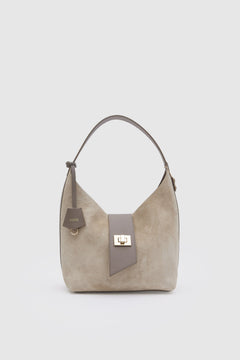
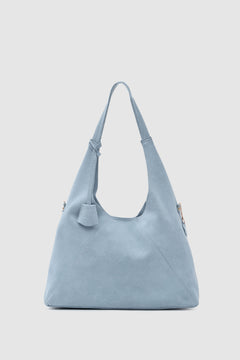
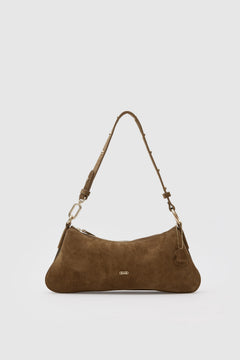
Rectangle body → Soft, curvilinear forms. Hobo bags, slouchy models, and crescent-shaped bags soften straight lines. Rigid, boxy bags emphasize straight lines even more; avoid them.
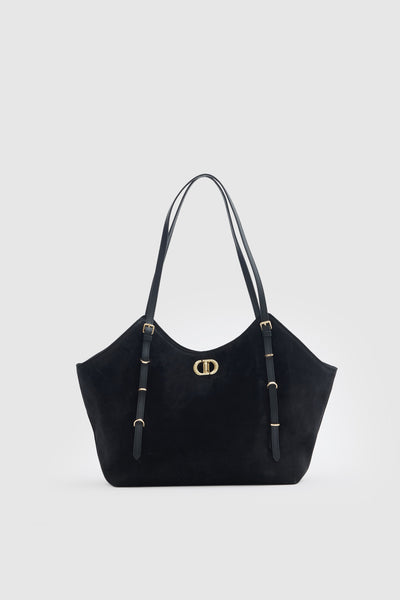
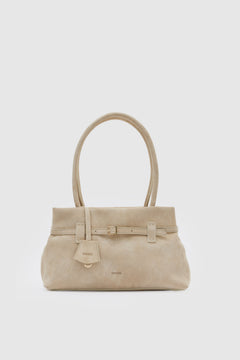
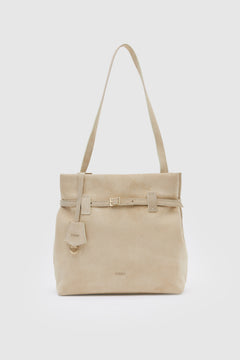
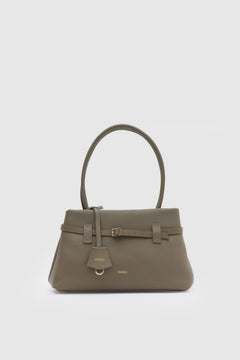
Hourglass → Structured, medium-sized forms. Satchel, structured shoulder bag, and bowling bags harmonize with your curves. Very large and shapeless bags hide your figure; choose small but structured models.
Pear → Soft upper body bags. Short-strap, shoulder-level crossbody and small shoulder bags draw attention upwards. Avoid large hobo bags that sit at hip level.
Apple → Vertical-lined, long forms. Long and narrow bags create a vertical line, making you appear slimmer. Wide, horizontal bags (like large totes) emphasize the abdominal area; be careful.
Inverted triangle → Models that add volume to the lower body. Large hobo bags, bucket bags that sit at hip level add volume to the lower body. Small bags that end at shoulder level emphasize wide shoulders even more.
Bag Forms Comparison Chart
| Bag Form | Structure | Most Suitable Body Type | Body Type to Avoid |
|---|---|---|---|
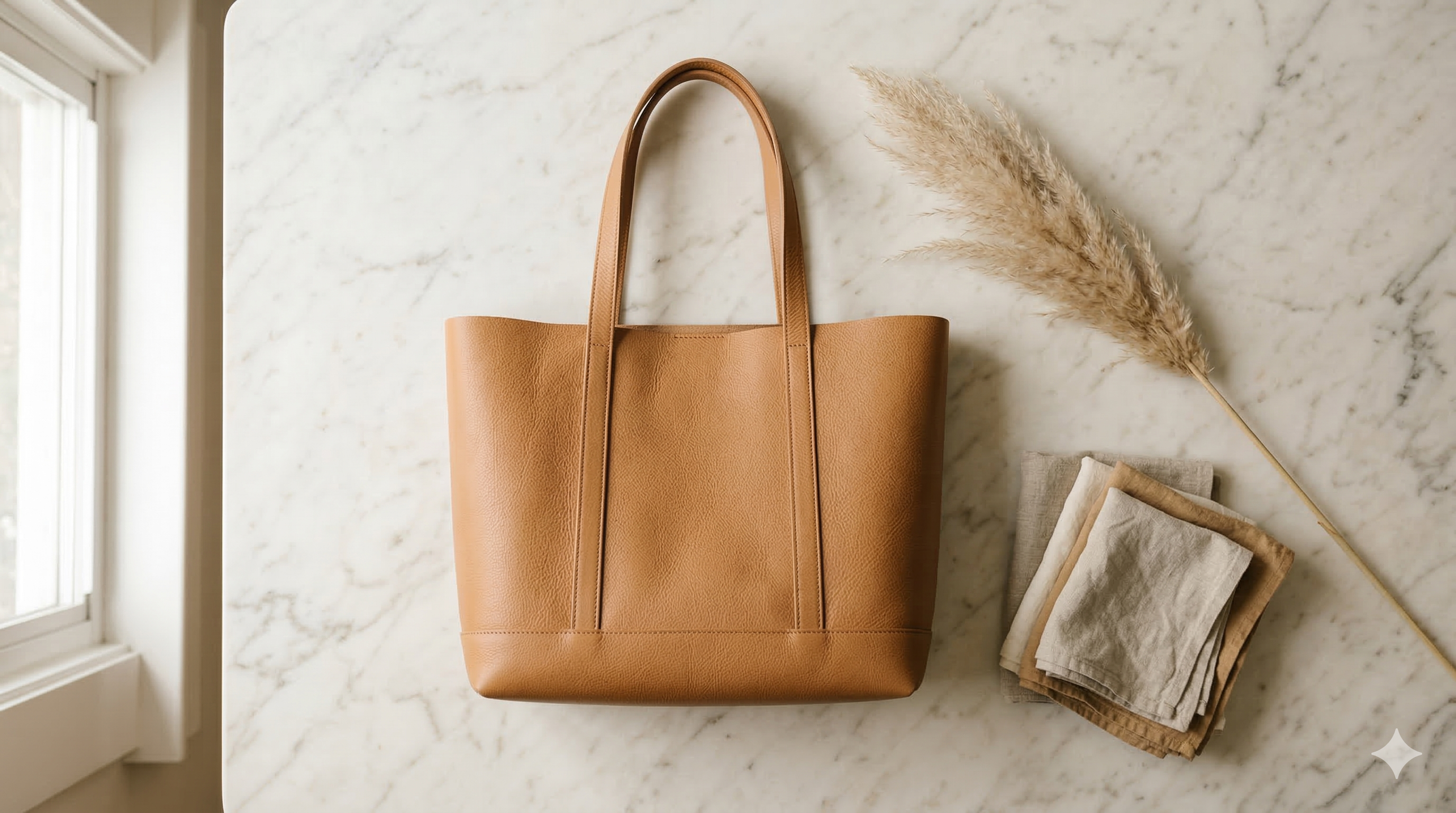
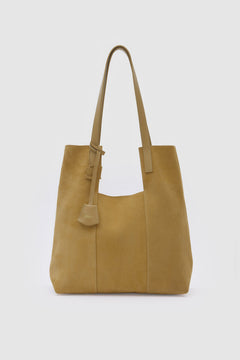
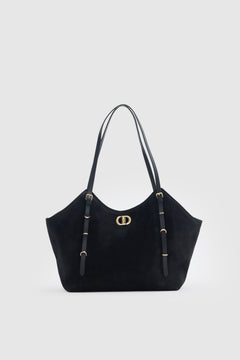
| Tote | Structured, wide | Tall-slim, inverted triangle | Short, apple |
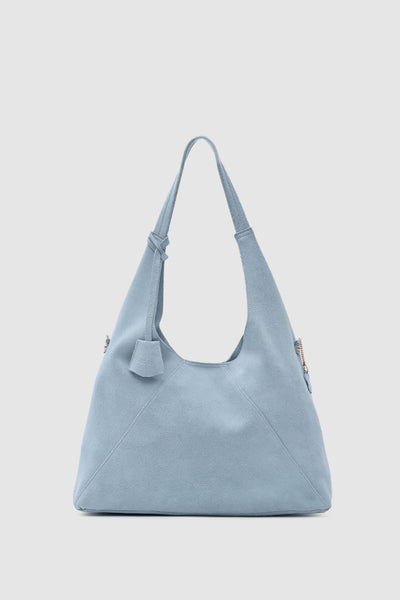
| Hobo | Soft, crescent | Rectangle, tall | Pear (if long-strapped) |
| Crossbody | Compact, diagonal | Pear, short | - |
| Clutch | Small, elegant | Short, hourglass | Tall-slim (insufficient alone) |
| Bucket | Vertical, cylindrical | Inverted triangle, rectangle | Apple |
| Bowling | Structured, round | Hourglass, rectangle | - |
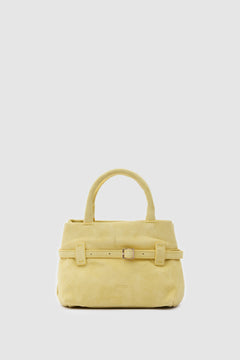
| Satchel | Structured, boxy | Hourglass, apple (small size) | Rectangle |
Rule 4: Correct Carrying Position Protects Your Health
Beyond aesthetics, bag selection has a critical dimension: health. Research published in PubMed Central reveals that heavy bags carried on one shoulder disrupt cervical posture, lower the pain threshold in the upper trapezius muscle, and pave the way for long-term spinal problems.
Weight Rule
Research shows that bag weight should not exceed 10% of your body weight. The ideal ratio is around 5%. In practice, this means:
| Body Weight | Maximum Bag Weight (10%) | Ideal Bag Weight (5%) |
|---|---|---|
| 50 kg | 5 kg | 2.5 kg |
| 60 kg | 6 kg | 3 kg |
| 70 kg | 7 kg | 3.5 kg |
| 80 kg | 8 kg | 4 kg |
Carrying Position Comparison
Single-shoulder bag: The most common choice but the riskiest carrying method. All weight is placed on one side, and the spine is loaded asymmetrically. Regularly switch shoulders.
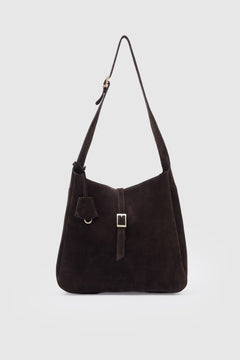
Crossbody: Distributes weight across the body and frees up hands. The most ergonomic option for daily use. A wide and padded strap increases comfort.
Handbag: Strains wrist and hand muscles but is the carrying method that places the least load on the spine. Not suitable for heavy bags.
Backpack: Distributes weight equally on both shoulders and is the healthiest option ergonomically. However, it may not suit every style.
Practical advice: We're not saying to weigh your bag every day. But if you feel a weight on your shoulder when you lift your bag, review its contents. Most women increase bag weight by 30-50% with unnecessary items.
Rule 5: Adapt According to Purpose of Use
No single bag fits every situation. The purpose of use directly affects bag size and form. After finding a model that suits your body type, filter it according to its purpose of use.
Office and Business Life
Structured, A4-sized document-fitting tote or satchel models stand out in business life. Short women can prefer medium-sized structured totes, while tall women can opt for standard or large totes.
Daily Use
Lightweight, medium-sized crossbody or shoulder bags are the most practical options for daily use. Adjustable strap feature offers a great advantage in this category as you can switch to different carrying positions throughout the day.
Evening and Special Occasion
Clutches and mini bags are indispensable for special occasions. Metallic or structured clutch models stand out for hourglass and pear body types. For rectangular body types, soft-formed, chain-strapped mini bags look more harmonious.
Travel
Lightweight yet spacious tote or weekender models stand out for travel. Regardless of your body type, lightness is the primary criterion for a travel bag. The weight of a full bag should not exceed 10% of your body weight.
Summer vs. Winter
In summer, straw, fabric, and light-colored, lightweight models stand out. In winter, structured leather bags offer both durability and elegance. Once you find a form that suits your body type, you can choose the same form in different materials according to the season.
Bag Selection Chart by Body Type
| Body Type | Ideal Bag Models | To Avoid | Strap Length | Recommended Size |
|---|---|---|---|---|
| Hourglass | Structured shoulder bag, bowling, satchel | Shapeless, very large bags | 40-55 cm | Medium |
| Pear | Short-strap crossbody, small shoulder bag | Large hobo bags that sit at hip level | 35-45 cm | Small-Medium |
| Apple | Long-strap crossbody, vertically shaped bags | Wide horizontal tote, bags at stomach level | 55-65 cm | Medium |
| Rectangle | Hobo, slouchy, curved forms | Rigid boxy, rectangular bags | 40-50 cm | Medium-Large |
| Inverted Triangle | Hip-level hobo, bucket, large crossbody | Small bags that end at shoulder level | 50-60 cm | Medium-Large |
For more bag models and collection options, you can check out our bag collections.
Top 5 Common Mistakes
1. Mistake: Choosing based only on color and design. Always check how a bag you like looks on your body in the mirror. Your aesthetic taste is right, but don't ignore the rules of proportion.
2. Mistake: Always carrying the bag on the same shoulder. One-sided carrying leads to spinal asymmetry. Switch to crossbody models or get into the habit of changing shoulders.
3. Mistake: Never adjusting the strap length. If you bought a bag with an adjustable strap, calibrate the strap according to your body type. Factory settings are not suitable for every body type.
4. Mistake: Overfilling the bag. Review the items you carry every day. Most women increase bag weight by 30-50% with unnecessary items. Excess weight shortens both your health and the bag's lifespan.
5. Mistake: Using a single bag for all situations. Office, daily, and evening use create different bag requirements. Investing in 2-3 essential models suitable for your body type is a smarter strategy than 10 unused bags filling your closet.
Conclusion
Choosing a bag according to body type is not just an aesthetic preference, but a strategic decision that directly affects your health and daily comfort. To summarize the 5 rules in this guide: keep the bag size proportionate to your height, balance your body shape with strap length, choose a bag form opposite to your body lines, protect your health with the correct carrying position, and adapt your bag according to its purpose of use.
You don't need to try dozens of models to find the right bag. Identify your body type, determine suitable models from the table above, and act with this filter on your next shopping trip. For lightweight, ergonomic, and stylish bag options, you can explore OGGO collections.
Frequently Asked Questions
Which bag models should short women prefer?
Women under 160 cm should prefer small and medium-sized bags. Mini crossbody, small shoulder bags, and clutch models make you look taller. Avoid large tote bags; they make your body appear smaller.
How long should the bag strap be?
The ideal strap length depends on your body type. For pear type, prefer a short strap (35-45 cm, above the shoulder); for apple type, a long strap (55-65 cm, hip level). The basic rule: the bottom edge of the bag should never fall on your widest area.
How much should a bag weigh?
Research published in PubMed Central indicates that bag weight should not exceed 10% of your body weight. For a 60 kg woman, this limit is 6 kg, and the ideal ratio is 3 kg. If you experience shoulder or back pain, check your bag's weight.
Which body type is a hobo bag suitable for?
The soft and crescent form of the hobo bag best complements the rectangular body type. It softens straight lines and adds the illusion of curves to the waist area. For pear body types, long-strap hobo models can emphasize the hips, so be careful.
Who do oversized bags suit?
Tall (over 170 cm) and slender women carry large bags most proportionately. Large bags balance a slender frame and add fullness. For short women, oversized bags make the body appear even smaller; proportions are disrupted.