



Do Heavy Bags Cause Shoulder Pain? Ergonomic Bag Selection Guide
An average woman's handbag weighs between 2-3 kg — but this easily increases to 4-6 kg once a wallet, phone, charger, makeup bag, and water bottle are added. According to a study published in Ergonomics journal, bags exceeding 10% of body weight significantly increase the risk of shoulder and back pain.
Heavy bag shoulder pain is not just an inconvenience; it's a health issue that can become chronic. This condition, defined in medical literature as "Heavy Purse Syndrome," can progress to neck pain, muscle spasms, and even nerve compression.
In this guide, you will find information on how a heavy bag affects the body, the safe weight limit, an ergonomic comparison of bag models, and practical ways to prevent pain.
Table of Contents
- How Does a Heavy Bag Affect the Body?
- The 10% Rule: How Heavy Should Your Bag Be?
- The Effect of Bag Model on Weight Distribution
- 5 Criteria for Choosing an Ergonomic Bag
- 4 Practical Ways to Reduce Bag Weight
- Conclusion
- Frequently Asked Questions
How Does a Heavy Bag Affect the Body?
The primary reason for heavy bag shoulder pain is asymmetrical weight distribution. A bag carried on one shoulder continuously stresses one side of the body and causes damage at four different levels.
Muscle imbalance. The muscles on the side carrying the bag remain constantly contracted, while the muscles on the opposite side are overstretched. This imbalance eventually leads to chronic tension in the trapezius, levator scapulae, and rhomboid muscles. Result: one shoulder is noticeably higher than the other.
Postural distortion. To balance a heavy bag, the body automatically leans to the opposite side, the hip shifts, and the neck is pushed forward. A study published in PubMed showed that bags carried on one shoulder cause postural deviations in three planes (sagittal, frontal, transversal). When repeated daily, this deviation turns into permanent postural distortion.
Nerve compression. Heavy straps put pressure on the brachial plexus nerve network in the shoulder area. This pressure can cause numbness, tingling, and weakness in the arm. In this condition, known as thoracic outlet syndrome, symptoms spread to the fingers.
Headache and fatigue. Tension in the neck muscles affects blood flow in the cervical region and leads to tension-type headaches. People carrying heavy bags feel more tired than usual at the end of the day because the body is constantly trying to balance.
The 10% Rule: How Heavy Should Your Bag Be?
The fundamental rule agreed upon by health professionals: the total weight of your bag should not exceed 10% of your body weight. This limit includes the total load, including the empty weight of the bag itself.
| Body Weight | Maximum Bag Weight |
|---|---|
| 50 kg | 5.0 kg |
| 55 kg | 5.5 kg |
| 60 kg | 6.0 kg |
| 65 kg | 6.5 kg |
| 70 kg | 7.0 kg |
| 75 kg | 7.5 kg |
| 80 kg | 8.0 kg |
A practical test: put your bag on a kitchen scale. Most women find that their bag exceeds this limit. The empty weight of a bag usually varies between 500g and 1.5 kg — which directly reduces the remaining allowance for contents.
Example calculation: For a 60 kg person, the upper limit is 6 kg. If the empty bag weighs 1 kg, there is 5 kg remaining for contents. However, if the empty bag weighs 1.5 kg, the content allowance drops to 4.5 kg. Therefore, the bag's own weight is a critical factor in selection.
The Effect of Bag Model on Weight Distribution
The same weight load is distributed differently across various bag models. This distribution directly determines the ergonomic impact.
| Model | Weight Distribution | Ergonomic Score | Risk |
|---|---|---|---|
| Backpack | Evenly across both shoulders | ★★★★★ | Low |
| Crossbody | Cross-body distribution, balanced torso | ★★★★☆ | Low-Medium |
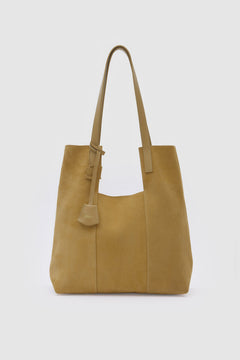
| Tote (double strap) | Evenly across both shoulders but may slip | ★★★☆☆ | Medium |
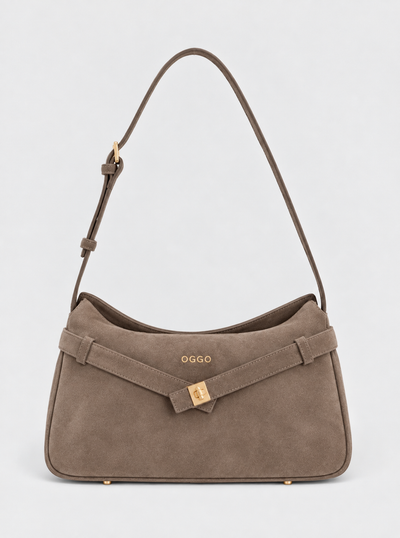
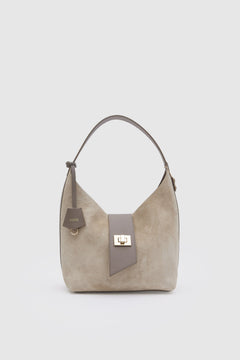
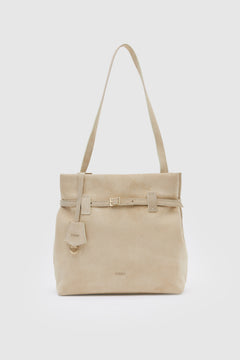
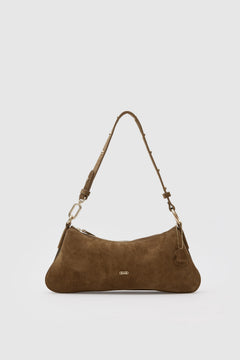
| Shoulder bag (single strap) | Concentrated on one side | ★★☆☆☆ | High |
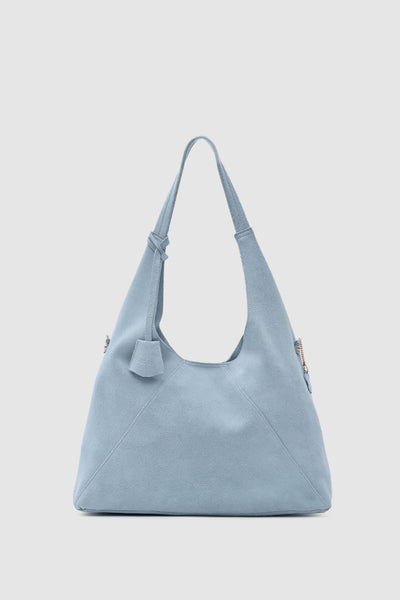
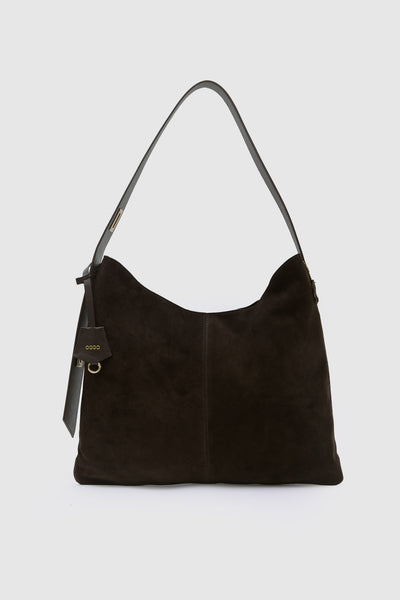
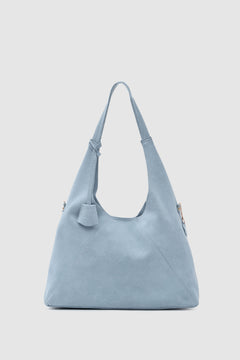
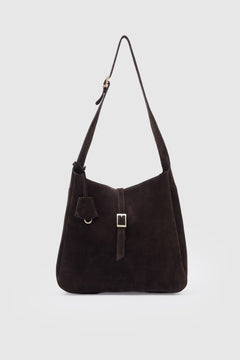
| Hobo | Concentrated on one side, variable form | ★★☆☆☆ | High |
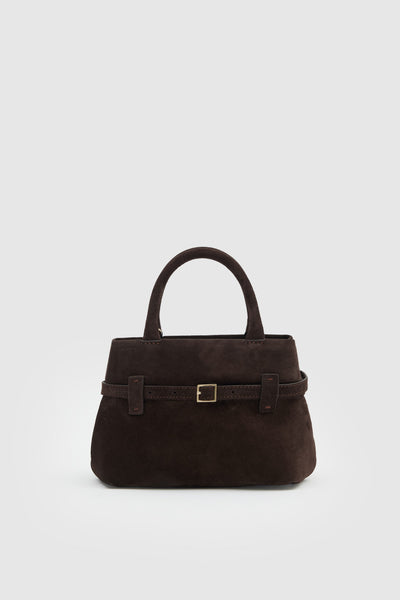
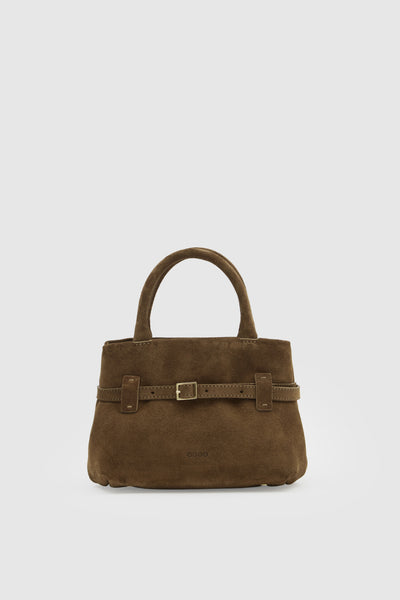
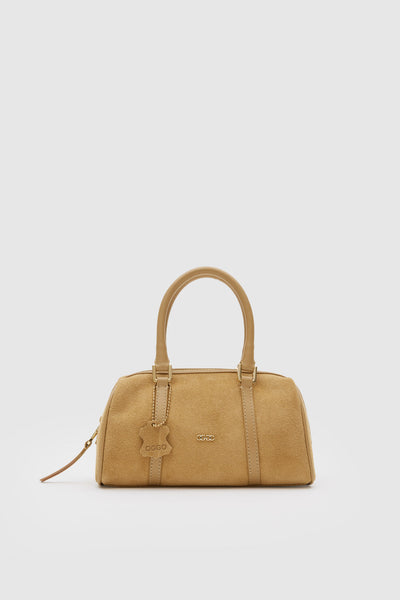
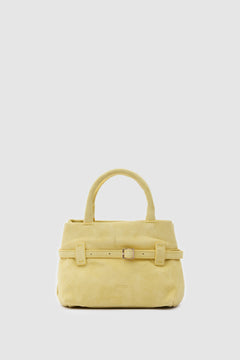
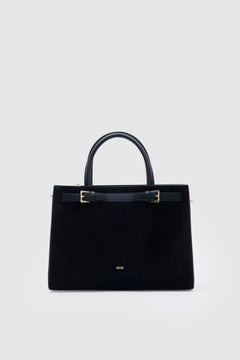
| Top-handle / handheld | Load on one arm and wrist | ★☆☆☆☆ | Very High |
The backpack is the best model ergonomically because it distributes the load evenly across both shoulders and keeps it close to the body's center. Professional-looking backpack options are increasing in 2026 — slim profile leather backpacks have become suitable for office use.
A crossbody bag is the second most ergonomic model. The cross-body strap distributes the load across the torso and prevents the bag from slipping. However, strap width is important: a thin strap puts pressure on the neck, while a wide, padded strap spreads the pressure for comfortable carrying.
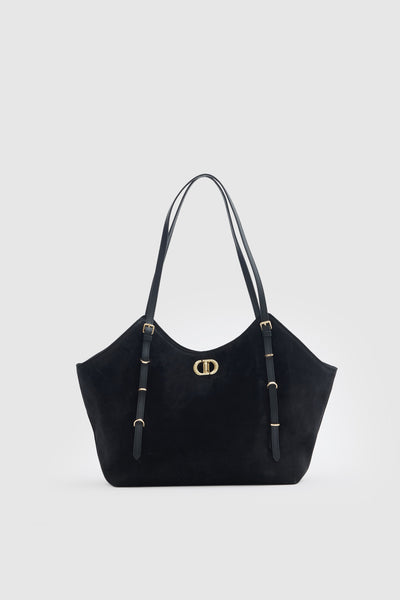
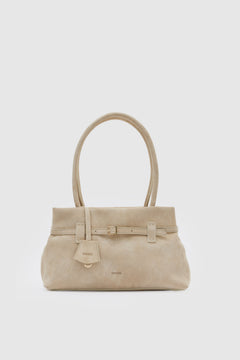
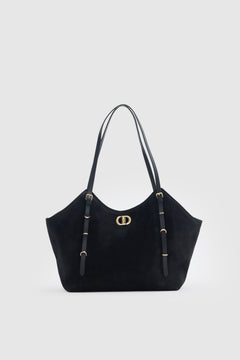
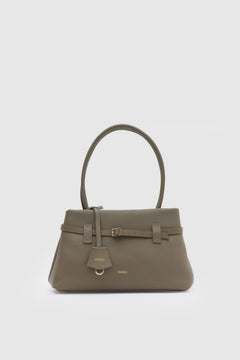
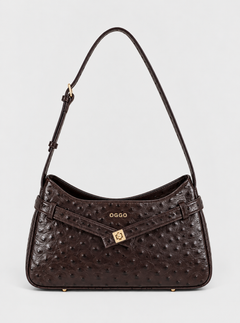
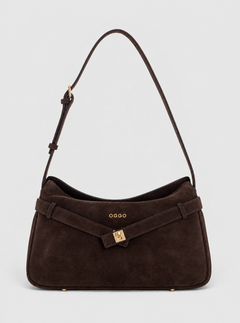
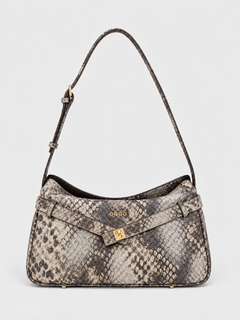
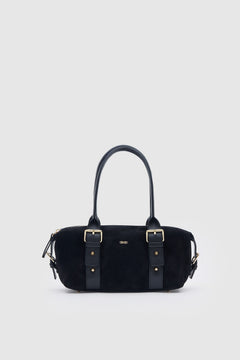
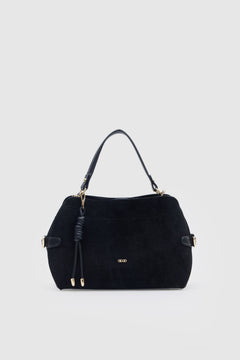
Single-shoulder bags and handheld models are the most risky categories ergonomically. A top-handle bag carried for a long time puts stress on the wrist and elbow joints. A single-shoulder bag, on the other hand, piles all the weight on one side.
5 Criteria for Choosing an Ergonomic Bag
Choosing the right bag is the most effective way to prevent heavy bag shoulder pain. Check these 5 criteria when shopping.
1. Empty weight of the bag. Check the empty weight of the bag in-store or when shopping online. A bag weighing 500-800g is light, 800g-1.2kg is medium, and over 1.2kg is heavy. A lighter bag leaves more allowance for contents.
2. Strap width and padding. Strap width should be at least 2.5 cm. Thin chain or thin leather straps concentrate the weight on a small area and leave marks on the shoulder. Padded straps spread the pressure over a wider area, increasing comfort. Adjustable strap length is also important — when the bag is close to the body, swaying is reduced, and balance is maintained.
3. Compartment layout and weight distribution. In single, wide-compartment bags, items settle at the bottom, and the center of gravity shifts. Bags with multiple compartments distribute the weight more evenly. Placing heavy items (laptop, water bottle) in the compartment closest to the back helps maintain body balance.
4. Structured base. Bags with a rigid or semi-rigid base maintain their shape and prevent items from shifting to one side. In unstructured (slouchy) bags, the weight constantly shifts, and the body rebalances with every step — which increases muscle fatigue.
5. Double strap or cross-body strap option. If you're buying a single-strap bag, choose models with at least a detachable cross-body strap option. This way, you can switch to a crossbody position during long walks to distribute the load more ergonomically.
For all quality criteria to consider when buying a bag, you can check our article: What to Consider When Buying a Bag: A 10-Criterion Quality Control Guide.
4 Practical Ways to Reduce Bag Weight
Lightening the contents is just as critical as choosing the right bag to prevent heavy bag shoulder pain.
1. Do a weekly bag clean-out. Every Sunday evening, empty your bag completely and only put back the items you'll genuinely need for the coming week. Most people carry items in their bags they haven't used for weeks: old receipts, extra charging cables, unused makeup products. This simple habit reduces bag weight by an average of 20-30%.
2. Go digital. Using a phone wallet (cardholder case) instead of a physical wallet, a digital note app instead of a paper planner, and carrying a single multi-card instead of multiple cards significantly reduces weight. A small cardholder wallet is 150-200g lighter than a classic wallet.
3. Opt for a smaller water bottle. A 750 ml water bottle adds 800g to your bag. A compact 350-400 ml bottle halves this load and meets most daily needs. Collapsible silicone bottles take up almost no space when empty.
4. Use a bag organizer. A lightweight bag organizer (100-150g) keeps items tidy, shortens search time, and ensures balanced weight distribution within the bag. In bags without organizers, items sink to the bottom, and the center of gravity shifts.
Conclusion
Heavy bag shoulder pain is a common but preventable problem. Three key takeaways from this guide:
Apply the 10% rule: the total weight of your bag should not exceed one-tenth of your body weight. Measure your current situation by weighing your bag.
Prioritize ergonomics when choosing a bag model. Backpacks and crossbody bags are in the lowest risk group. If you use a single-shoulder bag, choose models with wide straps and cross-body carrying options.
Regularly reduce bag contents. Weekly clean-outs, going digital, and compact accessories can reduce weight by 20-30%.
To explore OGGO's handmade leather bag collection with lightweight and ergonomic models, please visit our collection page.
Frequently Asked Questions
What is the maximum weight a bag should be?
It should not exceed 10% of your body weight. For a 60 kg person, the upper limit is 6 kg, and for 70 kg, it's 7 kg. This limit includes the total load, including the bag's own weight.
Is carrying a bag on one shoulder harmful?
Yes. Continuous carrying on one shoulder leads to muscle imbalance, shoulder asymmetry, and neck pain. Regularly switching shoulders or opting for a crossbody/backpack reduces this risk.
Which is the most ergonomic bag model?
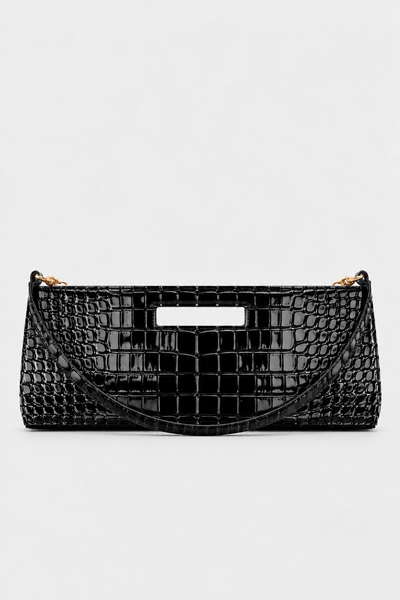
A backpack is the best model ergonomically because it distributes weight evenly across both shoulders. The second most ergonomic is a wide-strapped crossbody bag. The least ergonomic models are handheld clutches and single-shoulder bags.
Is a leather bag or a nylon bag lighter?
Nylon bags are, on average, 40-50% lighter than leather bags. However, genuine leather is more durable and maintains its form in the long run. If weight is a concern, opt for thin leather or lightweight nylon models.
Which doctor should I see for bag-related pain?
For shoulder and back pain, consult an orthopedic or physical therapy specialist. If there is numbness and tingling in the arm, a neurology examination may also be necessary. A physiotherapy program provides effective results in cases of chronic pain.